
Snow Crab Market Update: Strong Supply, Shifting Demand, and What Buyers Need to Know
The North American snow crab market continues to evolve as increased landings, changing trade flows, and global competition reshape pricing and availability.
Following several years of supply disruptions and historically high prices, 2026 has brought a different dynamic. Canadian snow crab production remains strong, while increased harvests from Alaska and continued exports from Norway have added additional product to the global marketplace. At the same time, buyers are navigating economic uncertainty, changing consumer spending patterns, and increased competition from international markets.
Supply Remains Strong
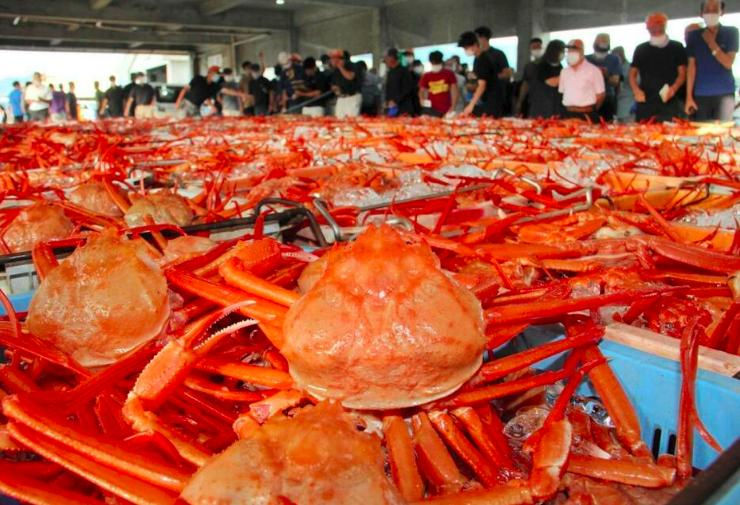
Canadian snow crab continues to be the dominant source for the U.S. market, accounting for the vast majority of imported frozen snow crab. Strong landings and increased availability have helped improve supply compared to the shortages experienced in recent years.
Alaska's snow crab fishery has also returned with significantly larger quotas than previous seasons, providing additional volume to the marketplace. While these volumes remain smaller than Canada's overall production, they contribute to a more balanced supply environment.

Price Pressure Emerging
As more product enters the market, prices have begun to soften from the record highs seen during the post-pandemic recovery period. Industry reports indicate that increased inventory levels have encouraged buyers to re-enter the market after months of cautious purchasing.
However, larger premium-sized sections continue to command strong pricing, while smaller sizes face greater competitive pressure. Buyers remain focused on value while still demanding consistent quality and reliable supply chains.
2026 Snow Crab Market Snapshot
Category | Status |
Supply | Strong |
Inventories | Increasing |
Retail Demand | Moderate |
Foodservice Demand | Strong |
Price Trend | Softening |
Risk Level | Medium |
Global Competition Continues
The global crab market is increasingly influenced by demand from both North America and Asia. China and Japan continue to compete for premium crab products, while changing trade policies and import regulations influence where product ultimately flows.
For North American buyers, this means availability can change quickly as exporters respond to pricing opportunities in multiple markets.
What This Means for Buyers
For distributors, retailers, and foodservice operators, today's market offers opportunities that were difficult to find just a few years ago.
Improved supply has created greater purchasing flexibility, but quality, sizing consistency, and supplier reliability remain critical factors. Buyers who secure inventory early and work directly with trusted suppliers are often in the best position to manage costs and ensure product availability throughout the year.
Our Outlook for the Next 90 Days
The next 90 days will likely determine the direction of the North American snow crab market for the balance of 2026.
From a supply perspective, there is little evidence of a shortage. Canadian production remains substantial despite weather-related delays and a compressed fishing season, while additional volumes from Alaska and Norway continue to contribute to overall market availability. The challenge facing the industry is no longer production it is demand absorption and inventory management.
We expect increased volumes of Canadian snow crab to continue entering the market throughout the summer as harvesting and processing activity accelerates following the delayed start to the season. This shift has effectively condensed the normal sales cycle, placing greater importance on retail promotions and distributor purchasing activity during July and August.
Foodservice demand has remained relatively stable, but the retail sector will likely be the deciding factor. If major supermarket chains commit to aggressive promotional programs, inventories could move efficiently and support market stability. If retailers remain cautious, additional pricing pressure may develop as sellers compete for market share and warehouse space.
At Kata Seafoods, we believe the most likely scenario is a gradually softer market through late summer, particularly on larger section sizes. However, premium-quality product, reliable supply programs, and well-managed inventories should continue to command strong buyer interest. Buyers who wait for the absolute bottom of the market may find that availability of preferred sizes and specifications becomes more limited than expected.
Our view remains straightforward: 2026 is shaping up to be a market driven by timing rather than supply. The companies that manage inventory effectively and respond quickly to changing market conditions will be best positioned to capitalize on opportunities during the second half of the year.
Looking Ahead
The remainder of 2026 will largely be influenced by Canadian production levels, Alaska harvest performance, international demand, and broader economic conditions. While volatility remains a factor in the seafood industry, current market conditions suggest a healthier balance between supply and demand than we've seen in recent years.
At Kata Seafoods, we continue to monitor global crab markets closely while providing customers with direct access to premium Canadian snow crab sourced from trusted harvesters and processors.


Comments