
Understanding the Atlantic Lobster Supply Chain: What Buyers Need to Know About Sourcing and Market Stability
Updated: 2 days ago
The Atlantic lobster market is one of the most valuable segments in the global seafood industry, supplying restaurants, seafood distributors, retailers, and export buyers across North America and international markets.
For companies involved in wholesale lobster supply, understanding how the supply chain works is essential to managing cost, availability, and long-term sourcing stability. Factors such as weather conditions, fishing quotas, demand cycles, and processing capacity all influence how lobster moves from harvest to market.
In this article, we break down the key elements of the Atlantic lobster supply chain and what wholesale buyers should know when sourcing live and frozen lobster products.
1. How the Atlantic Lobster Supply Chain Works
The lobster supply chain typically includes several stages:
Harvesting from regulated fishing zones
On-boat handling and storage
Landing and auction or direct processor sales
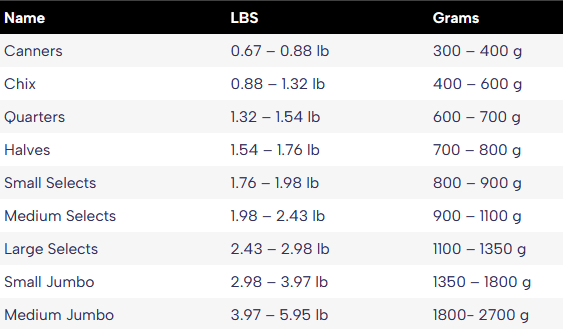
Grading and size classification
Live holding or processing into frozen products
Distribution to wholesale and export markets
Each step affects final product quality, pricing, and availability, especially for live Atlantic lobster and frozen lobster wholesale products.
2. Why Lobster Supply Fluctuates
Lobster availability is not constant throughout the year. Several factors impact supply:
Seasonal fishing cycles in Atlantic regions
Weather conditions affecting harvest volume
Government quotas and regulatory controls
Export demand from the US, Europe, and Asia
Processing capacity during peak seasons
These variables create fluctuations that directly impact wholesale lobster supplier pricing and availability.
3. Live Lobster vs Frozen Lobster Supply Channels
Wholesale buyers typically source lobster in two main formats:
Live Atlantic Lobster
Live lobster supply is highly dependent on seasonal harvests and logistics speed. Buyers often prioritize:
Shell quality
Size grading consistency
Fast, controlled distribution
Frozen Lobster Products
Frozen lobster provides stability for foodservice and retail programs. Common products include:
Lobster tails
Cooked lobster meat (CK, knuckle, claw, etc.)
Whole frozen lobster
Frozen supply helps balance volatility in the lobster distributor supply chain.

4. What Wholesale Buyers Should Look for in a Supplier
A reliable wholesale lobster supplier should provide:
Consistent grading across shipments
Transparent sourcing and origin
Reliable cold chain management
Year-round product availability
Strong relationships with harvesters and processors
For foodservice operators and seafood distributors, these factors directly impact menu consistency and profit margins.
5. Pricing in the Lobster Market
Lobster pricing is influenced by:
Seasonal catch volume
Fuel and logistics costs
Export demand fluctuations
Processing and labor capacity
Because of this, buyers working with a Canadian lobster supplier or Atlantic lobster distributor often experience price adjustments throughout the year.

6. Building a Stable Lobster Supply Strategy
To reduce risk in sourcing, buyers often:
Work with multiple supply regions
Balance live and frozen inventory
Pre-plan seasonal demand
Partner with established wholesale suppliers
This helps maintain consistent supply even during peak volatility periods in the Atlantic lobster market.

Conclusion
The Atlantic lobster industry is driven by natural cycles, global demand, and supply chain complexity. Understanding how these factors interact allows buyers to make better sourcing decisions and maintain consistent product availability.
For businesses seeking stability, working with a reliable wholesale lobster supplier with access to both live and frozen lobster products is essential to managing long-term supply risk.
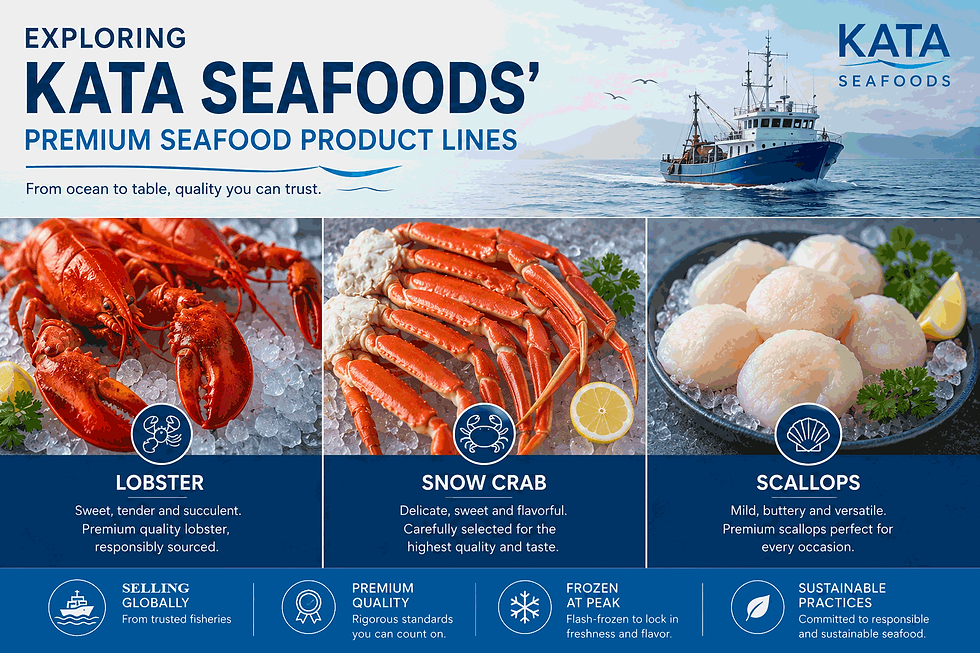
Kata Seafoods supplies live Atlantic lobster and frozen lobster wholesale products to foodservice buyers, seafood distributors, and international markets across Canada and North America.


Comments