
Atlantic Lobster Supplier Guide: Choosing a Premium Lobster Supplier in Atlantic Canada
Updated: 2 days ago
When it comes to sourcing lobster, quality and reliability are everything. I’ve learned that finding the right supplier in Atlantic Canada can make or break your seafood business. The region is famous for its lobster, but not all suppliers are created equal. In this guide, I’ll walk you through what to look for when choosing a premium lobster supplier in Atlantic Canada. Whether you’re a seafood distributor or importer, these insights will help you make informed decisions that benefit your business and customers.
Why Atlantic Canada is the Lobster Hub
Atlantic Canada is renowned worldwide for its lobster. The cold, clean waters create the perfect environment for lobsters to thrive. This region includes provinces like Nova Scotia, New Brunswick, Prince Edward Island, and Newfoundland and Labrador. Each area has its own unique lobster fishing traditions and regulations, ensuring sustainable practices.
The lobster here is known for its firm texture and sweet flavor. When you source from Atlantic Canada, you’re tapping into a rich heritage of fishing expertise and quality control. This is why many businesses prefer to work with suppliers from this region.

Atlantic Lobster Supplier Guide: What to Look For
Choosing a supplier is more than just price and availability. Here are the key factors I focus on when selecting a premium lobster supplier:
1. Sustainability Practices
Sustainability is non-negotiable. Look for suppliers who follow strict fishing quotas and use traps that minimize bycatch. Certifications from organizations like the Marine Stewardship Council (MSC) are a good sign. Sustainable suppliers help protect lobster populations and ensure long-term availability.
2. Quality Assurance
Quality control should be evident at every step. This includes how lobsters are handled on the boat, during transport, and at the supplier’s facility. Freshness is critical. Lobsters should be alive upon delivery or properly processed to maintain flavor and texture.
3. Traceability
Traceability means you can track the lobster from the ocean to your door. This transparency builds trust and helps with compliance if you’re exporting. Ask suppliers about their tracking systems and documentation.
4. Customer Service and Reliability
A supplier’s responsiveness and reliability can save you headaches. Timely deliveries, clear communication, and flexibility during peak seasons are essential. I always recommend building a strong relationship with your supplier to navigate challenges smoothly.
5. Range of Products
Some suppliers offer more than just live lobster. They may provide processed lobster meat, frozen options, or value-added products. Having a supplier with a diverse product range can help you meet different customer needs.
By focusing on these areas, you can narrow down your options and find a supplier that aligns with your business goals.

Does the US Have Tariffs on Canadian Lobster?
Understanding trade policies is crucial if you’re importing or exporting lobster between Canada and the US. The US has imposed tariffs on Canadian lobster in the past, which affected pricing and market access. These tariffs were part of trade disputes and have fluctuated over time.
Currently, it’s important to stay updated on the latest trade agreements and tariff statuses. Working with a supplier who is knowledgeable about customs and import regulations can help you avoid surprises. They can assist with paperwork and ensure compliance, making cross-border transactions smoother.
If you’re targeting the US market, factor in potential tariffs and duties when calculating costs. This will help you price your products competitively while maintaining margins.
How to Verify a Premium Lobster Supplier
Once you have a shortlist of potential suppliers, it’s time to verify their claims. Here’s how I recommend doing it:
Request References: Ask for contacts of other businesses they supply. Hearing from current customers can reveal a lot about reliability and quality.
Visit Facilities: If possible, visit the supplier’s processing or storage facilities. Seeing their operations firsthand gives you confidence in their standards.
Sample Products: Always request samples before committing to large orders. Check the lobster’s freshness, size, and taste.
Check Certifications: Verify any sustainability or quality certifications they claim to have.
Review Contracts Carefully: Look for clear terms on delivery schedules, payment, and quality guarantees.
Taking these steps reduces risk and ensures you partner with a supplier who meets your expectations.
Why Choose a Premium Lobster Supply Canada Partner?
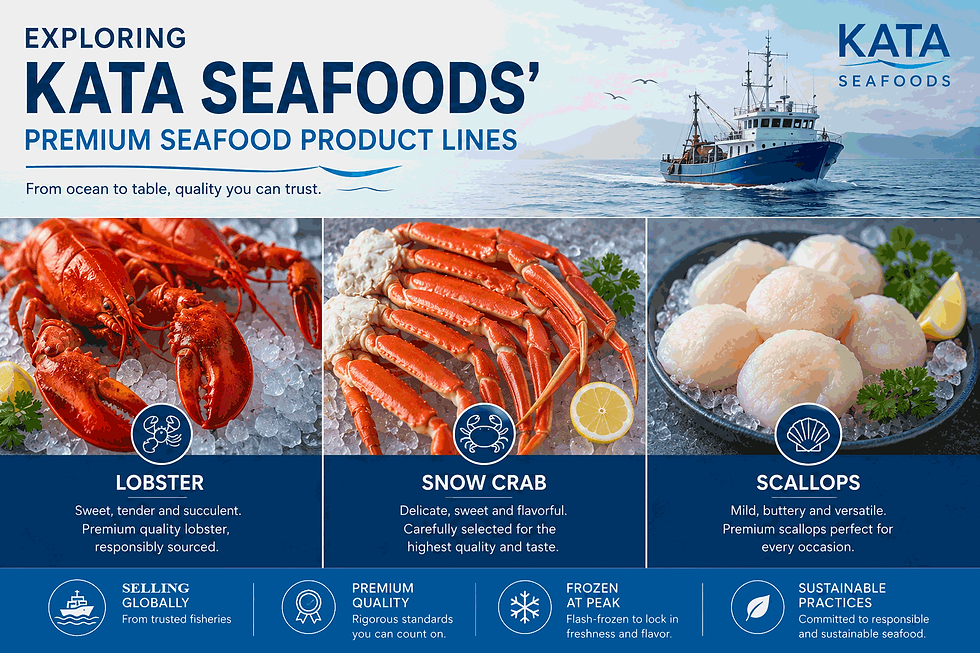
Partnering with a premium lobster supplier in Atlantic Canada means you get more than just seafood. You gain a trusted ally committed to quality and sustainability. For example, suppliers like Kata Seafoods focus on responsible fishing practices and customer satisfaction. They understand the importance of delivering fresh, high-quality lobster consistently.
By choosing a supplier who shares your values, you can build a reputation for excellence in your market. This leads to repeat business and long-term growth. Plus, you contribute to preserving the lobster industry for future generations.
Tips for Maintaining Lobster Quality After Purchase
Once you receive your lobster shipment, proper handling is key to maintaining quality. Here are some tips I always follow:
Keep Lobsters Cool: Store live lobsters in a cool, moist environment between 1-4°C. Avoid fresh water as it can kill them.
Use Proper Containers: Use breathable containers that allow air circulation.
Minimize Stress: Handle lobsters gently to avoid damage.
Process Quickly: If you’re selling lobster meat, process it as soon as possible to preserve freshness.
Communicate with Customers: Educate your buyers on how to store and cook lobster for the best experience.
These practices help you deliver the premium product your customers expect.
Building a Long-Term Relationship with Your Supplier
A strong partnership with your lobster supplier can be a game-changer. Here’s how to nurture that relationship:
Communicate Regularly: Keep open lines of communication about demand forecasts and any issues.
Provide Feedback: Share customer feedback to help improve product quality.
Plan Ahead: Work together on seasonal supply and pricing strategies.
Support Sustainability: Collaborate on initiatives that promote responsible fishing.
When both parties invest in the relationship, it leads to better service, consistent supply, and mutual success.
Final Thoughts on Choosing Your Atlantic Lobster Supplier
Choosing the right lobster supplier in Atlantic Canada is a strategic decision. It impacts your product quality, customer satisfaction, and business reputation. By focusing on sustainability, quality, traceability, and strong communication, you set yourself up for success.
Remember, the best suppliers are those who not only provide premium lobster but also share your commitment to responsible sourcing and excellent service. Take the time to research, verify, and build relationships. Your business - and your customers - will thank you.
If you want to explore options, consider partnering with a premium lobster supply canada provider who understands the market and values long-term collaboration. This approach ensures you get the best Atlantic lobster, every time.


Comments