
Understanding Real Snow Crab and Its Imitations
Updated: Sep 6
What Is Real Snow Crab?
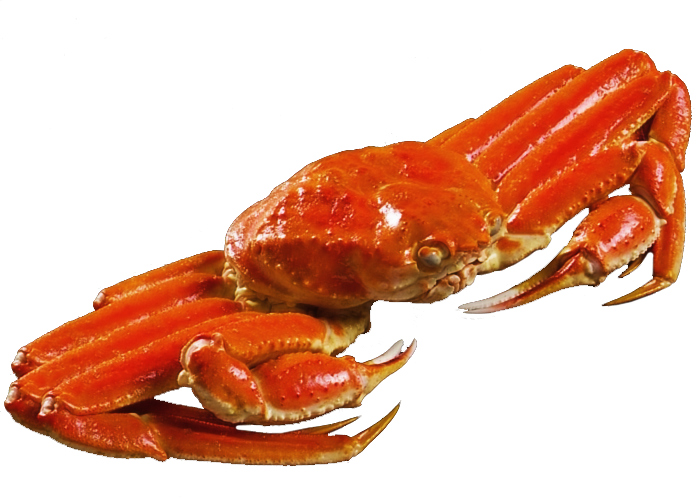
Real snow crab comes from wild-caught crab harvested in cold northern waters. It is known for its:
Sweet, delicate flavor
Tender white meat
Naturally flaky texture
Bright red shell after cooking
High protein and low fat content
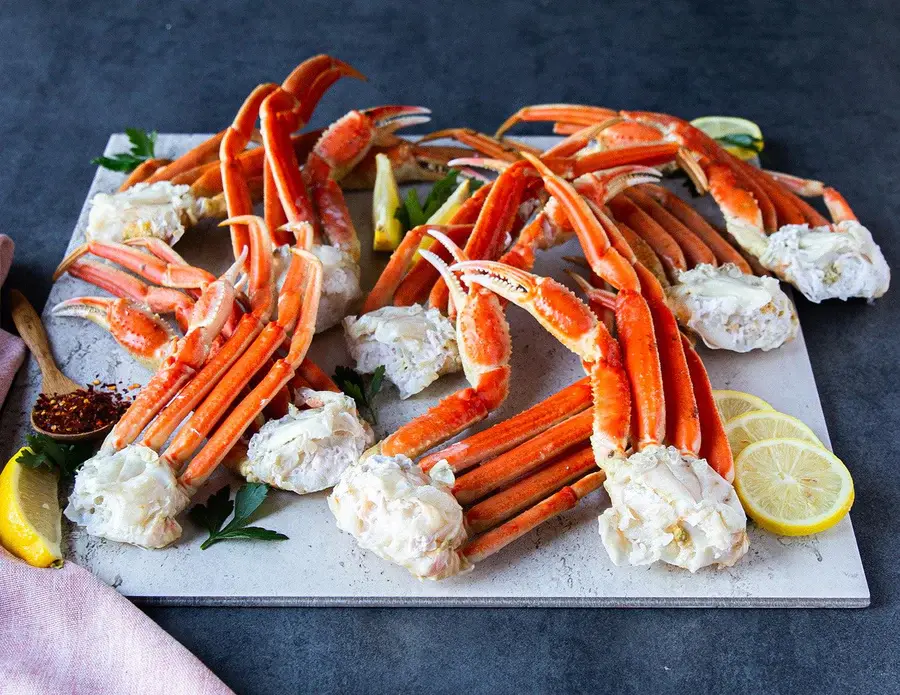
Real snow crab legs are sold frozen, cooked, and ready to heat. Whether you boil, steam, or bake them, authentic snow crab has a clean ocean flavor that imitation products cannot fully replicate.

What Is Fake Snow Crab?
Many trending products online today are actually made from surimi, a processed fish paste commonly made from white fish like pollock. You may see labels such as:
Surimi snow legs
Surimi snow crab legs
Crab-flavored seafood
Imitation crab
Seafood sticks
These products are designed to imitate the appearance of snow crab legs but are not real crab.
The recent spike in searches for “surimi snow crab legs” and “surimi super snow crab legs” shows that more consumers are becoming aware of imitation seafood products.
How to Tell Real Snow Crab From Imitation Crab
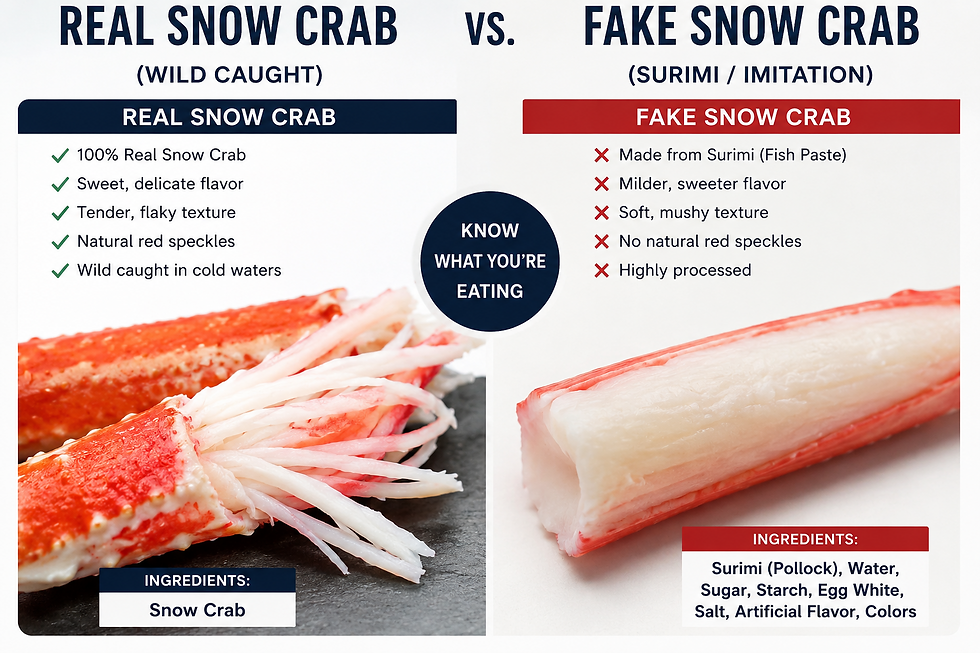
1. Check the Ingredient List
Real snow crab should list snow crab as the primary ingredient. Imitation crab products often contain:
Pollock
Fish paste
Starch
Sugar
Artificial crab flavoring
2. Look at the Texture
Real snow crab meat naturally flakes apart in strands. Surimi products usually have a softer, processed texture that looks molded or uniform.
3. Compare the Flavor
Authentic snow crab has a naturally sweet, briny taste. Imitation crab is typically sweeter and more processed tasting.
4. Watch the Pricing
If the price seems unusually low for “king snow crab legs” or large crab clusters, it may not be authentic snow crab.
Why Frozen Snow Crab Legs Are Popular
Searches for “frozen snow crab legs” continue to rise because frozen crab offers:
Longer shelf life
Easy storage
Year-round availability
Convenience for restaurants and home cooking
Properly frozen snow crab maintains excellent quality and flavor.
How to Cook Snow Crab Legs
Many people searching “how to cook crab legs” or “cook snow crab legs” are surprised to learn that most snow crab legs are already fully cooked before freezing. You only need to reheat them.

How to Boil Snow Crab Legs
Bring salted water to a boil.
Add frozen snow crab legs.
Boil for 4–6 minutes.
Serve with butter and lemon.
Cooking Frozen Snow Crab Legs Without Thawing
You can cook snow crab legs directly from frozen:
Steam for 6–8 minutes.
Bake at 375°F for 15–20 minutes.
Boil until heated through.
The Importance of Real Snow Crab
For restaurants and seafood buyers, quality matters. Customers can taste the difference between authentic snow crab and imitation products. At Kata Seafoods, we focus on supplying real seafood products with transparency and consistent quality.
Whether you are searching for:
Snow crab near me
Snow crab legs near me
Crab legs near me
Frozen snow crab legs
King crab legs
…it is important to know exactly what you are buying.

Final Thoughts
Imitation seafood products are becoming more common, especially online and in value-focused retail markets. While surimi products have their place, they should never be confused with authentic wild-caught snow crab.
Real snow crab delivers:
Better texture
Better flavor
Higher seafood quality
Authentic crab meat
When buying seafood, always read labels carefully and buy from trusted seafood suppliers.
Embracing Sustainable Practices
At Kata Seafoods, we are committed to promoting responsible fishing practices. We believe that sustainability is key to ensuring the future of seafood. By choosing real snow crab, you support sustainable fisheries that prioritize the health of our oceans.
The Benefits of Sustainable Seafood
Sustainable seafood offers numerous benefits:
Environmental Health: Sustainable practices help maintain fish populations and ecosystems.
Quality Assurance: Real seafood is often fresher and of higher quality.
Consumer Trust: Transparency in sourcing builds trust with customers.
By understanding the difference between real and imitation crab, you can make informed choices that benefit both your palate and the planet.
Conclusion
In conclusion, knowing the difference between real snow crab and imitation products is essential for anyone involved in seafood distribution. The quality of your offerings can significantly impact customer satisfaction. By choosing high-quality, sustainably sourced seafood, you not only enhance your menu but also contribute to responsible fishing practices.
So, the next time you search for “snow crab near me” or “frozen snow crab legs,” remember to look for authenticity. Real snow crab is worth the investment, both for its flavor and for the sustainable practices it supports.

Comments